
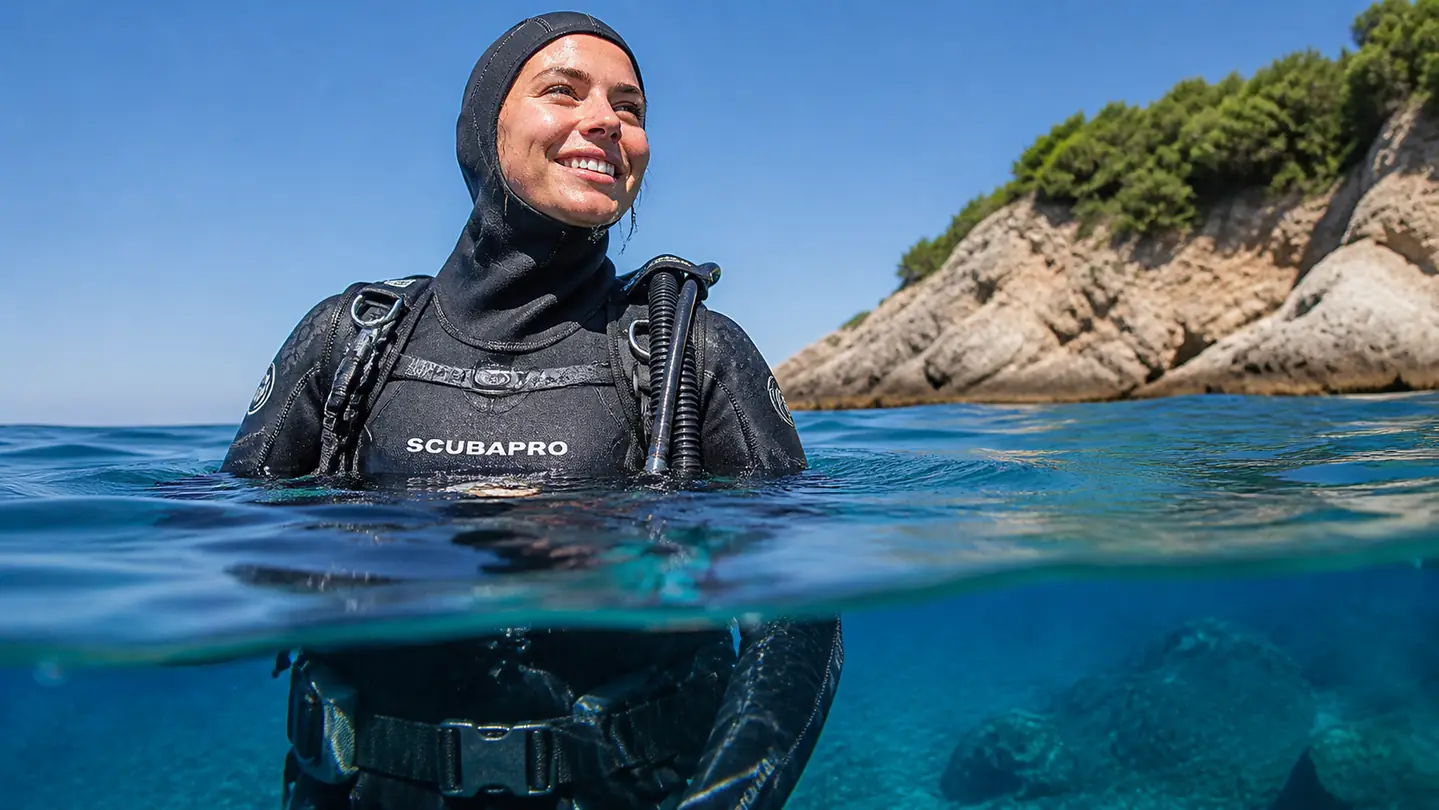
For the first fifteen years I dove, my calendar had a hard stop. The water dropped below about 65 degrees, the quarry parking lot emptied out, and I put the fins in the shed with my baseball card boxes and figured I'd see them in May. I told myself that was just how diving worked. Summer was the season, and the rest of the year was for carpentry.
Then a buddy talked me into a properly fitted 7mm suit, the Mares M-Flex, and I found out I'd been wrong for a decade and a half. The same cold water that chased everyone home was suddenly fine. Not toasty, I'm not going to lie to you, but fine, and that changes everything. Here are ten plain reasons a 7mm suit added a whole season back to my dive calendar.
Give Yourself an Extra Three Months Underwater
A 7mm suit is the cheapest way to turn the cold half of the year into dive season. The Mares M-Flex is the suit that got me back in the water in November, and it can do the same for you.
Amazon Check Today's Price on Amazon →It Turns 60-Degree Water Into a Perfectly Good Day
That is the whole point, and it is not a small one. Most of the charters I book only run their full schedule while the water stays reasonable, and the boats I rigged for wind up tied up the rest of the year. A 7mm suit means I book the boat in spring and fall, when everyone else decided the season was over. Same wreck, same vis, nobody else on it.
Your Dive Count Doubles Without Any Extra Trip
This is the reason that convinced me, because the trips were already on my calendar and paid for. I was backing out the Wednesday before the weekend whenever the forecast called for cold, losing money and letting the salt rust my skills at home. The suit just meant I could actually go on those trips instead of cancelling on them. More dives for money I was already spending.
It Makes the Boat Cheap When the Boat Is Empty
Cold months are a buyer's market. Charters that run half full in August will take your call in October, and the good operators treat a return customer like gold. The same boat that fills up months in advance in summer has open slots on the weekend, and once I could dive the season I got picked for those slots.
Your Skills Stop Going Soft Every Winter
Four months off the water and I would forget how to trim my frog kick without thinking about it, and the first dive of spring was always a little ugly with heavy breathing. Staying in year-round meant my buoyancy and my air consumption actually improved instead of resetting every May. I do not need a warm up dive anymore, because I never went cold.
The Neoprene Squeeze Is the Whole Game
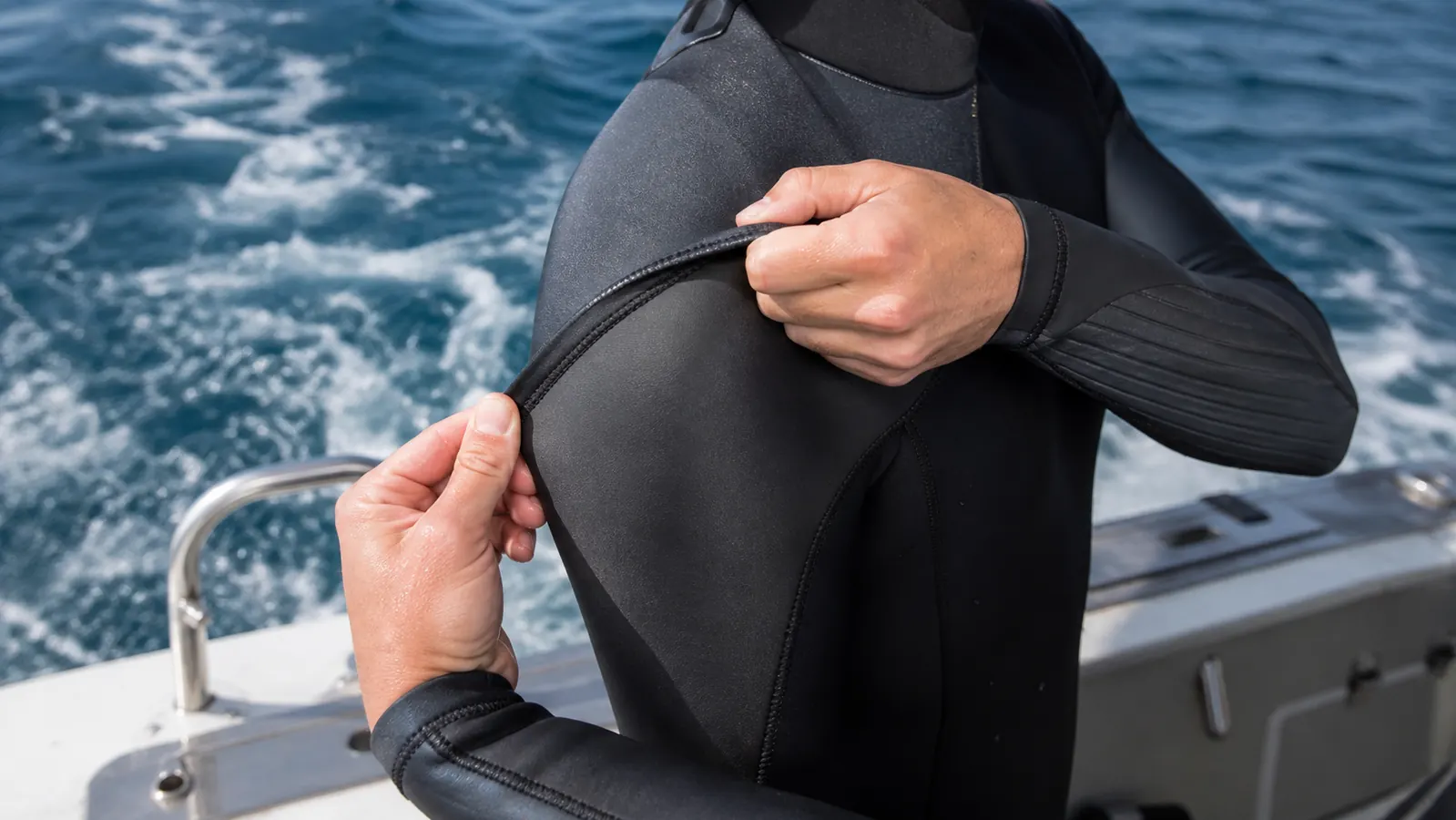
Here is what nobody tells you. A 7mm suit only works if the fit is right. Too loose and cold water rushes through, flushes the warmth, and does the job on you. A suit that fits, like the M-Flex does on me once I got the size right, traps that thin layer against the skin and lets your own body heat do the work. The squeeze is the technology.
The First Two Minutes Stop Being the Wall
Here is the trade everyone fears, and I will not pretend otherwise. That cold shock when the water first hits a fresh suit is real, and a 7mm still lets a little water in, that is how it works. But a good suit warms fast once the neoprene settles against your skin, and after the first two minutes you forget the temperature and get on with the wreck. The wall disappears.
It Lets You Carry the Same Toothy Grin on Shore
The best part of cold water is the ritual after. Nobody is in the parking lot peeling off a wetsuit and grinning like they got away with something, but you know you did. You look out at the empty water and know you had it mostly to yourself, and that feeling never gets old, no matter how many seasons I log. I collect those mornings the way I collect cards.
It's a Fraction of the Investment a Drysuit Asks
Dry suit diving is real, and for some water it is the right answer, I am not here to talk you out of it if you already run one. But a drysuit means new training, a different way of diving, and a price tag that scares the recreational crowd off for good. A 7mm gets you well into the cold-water season at a cost that does not need a conversation with a spouse. That matters.
It Turns a Trip Into a Year-Round Hobby
The real shift happened in my own head. Once I stopped treating December as a dead month, I stopped planning my life around a four-month window. I started carrying a suit on every trip, not just the summer ones, and the gear started paying for itself in use instead of hanging in the shed. A hobby you can keep is one you stay good at.
The Right Suit Becomes a Ten-Year Tool
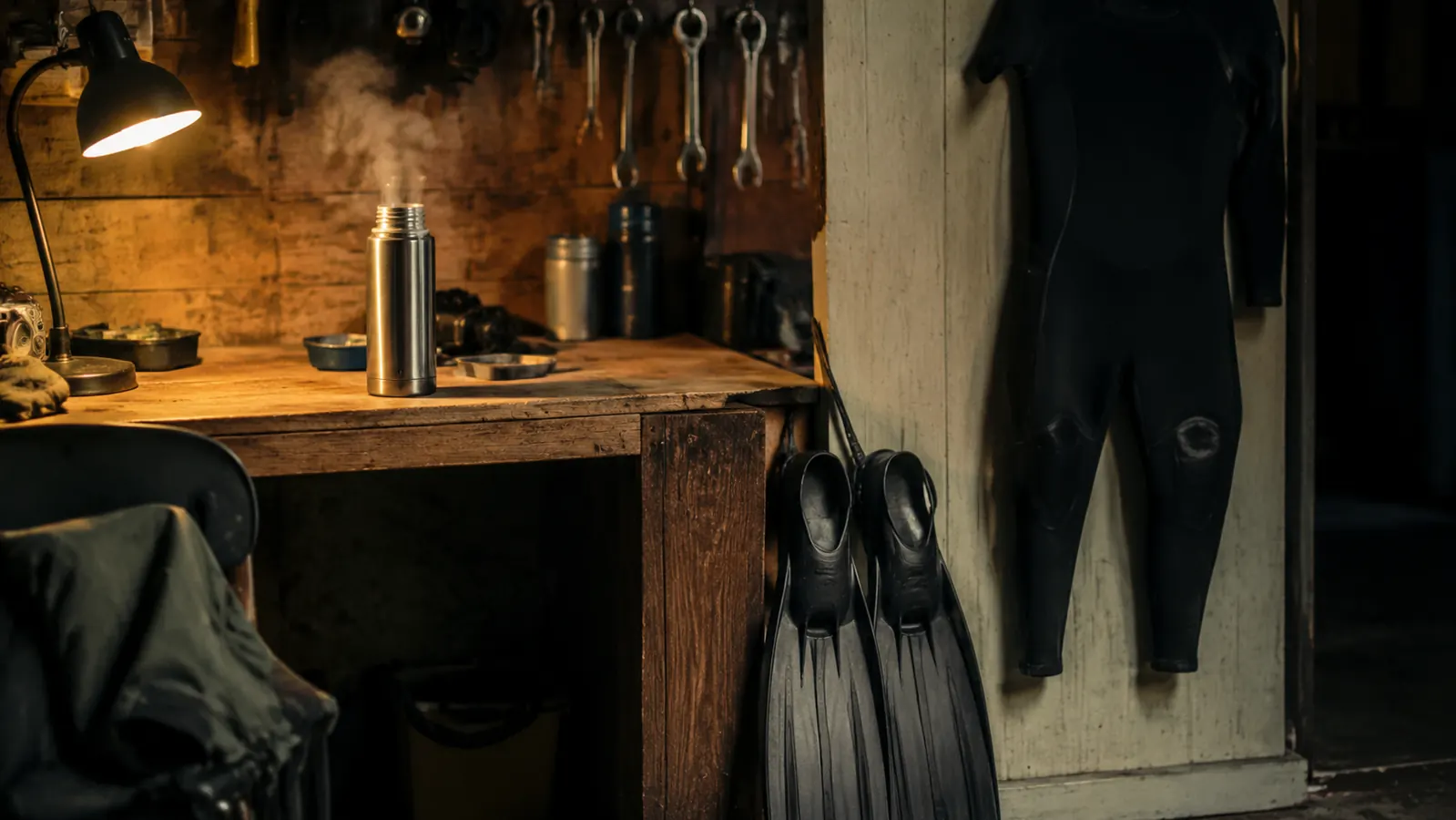
I treat neoprene the way I treat a good chisel. Rinse it, dry it out of the sun, hang it on the wide hook, and it lasts. The Mares M-Flex is built to hold up to salt, which is more than I can say for some of the thin suits I wore in my twenties. Buy a good one once, take care of it, and it is a tool you pull out for a decade, not a disposable you replace every season.
What I'd Skip
I am not going to hand you all ten reasons and act like there is no downside, because a man who has cut door trim for a living knows a sales pitch when he smells one. Skip the 7mm if you only plan to dive twice in the summer, in water that never gets cold enough to bite. Skip it if you cannot get the sizing right, because a loose thick suit is worse than a tight thin one, and a suit too small will fight you on the surface and squeeze you at depth. And skip it if your idea of diving is a week at a warm resort, where the suit is heavy, hot in the bag, and dead weight. It is a season extender, not a universal fix. For a cold-water regular like me, that is all it ever needed to be.
Same wreck, same vis, nobody else on it. The 7mm suit is the only reason I was out there in October.
End Your September for Good
If you have been letting the calendar decide your dive season, a properly fitted 7mm is the answer. The Mares M-Flex is the suit that did it for me, and it can do the same for you.
Amazon Check Today's Price on Amazon →