
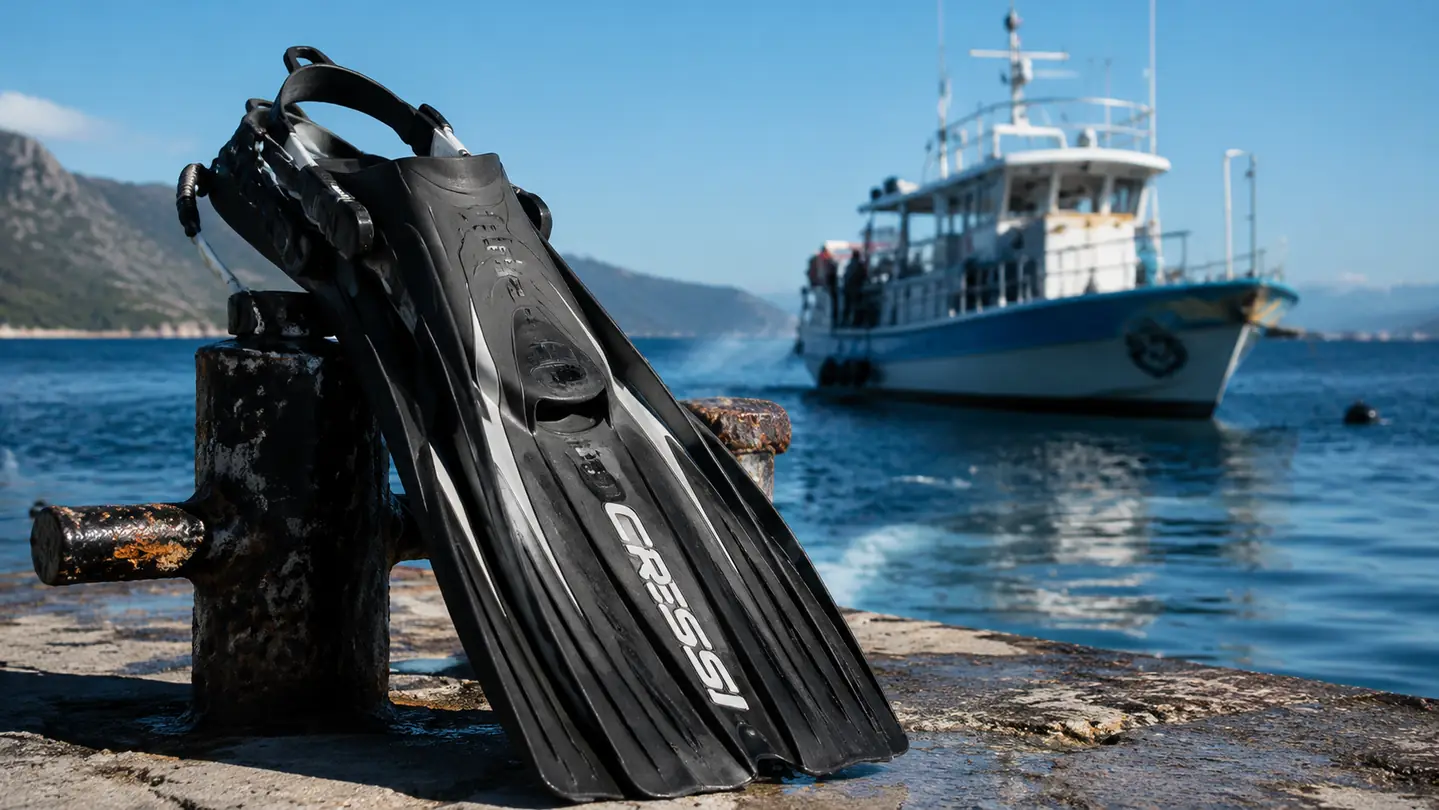
The second dive of the day used to be a coin toss. On rental fins my calves would start locking up around the forty-minute mark, and by the time I had kicked my way back to the boat I was cramping hard enough that the divemaster started asking if I was okay. I did what most of us do. I blamed my age, my chemistry, and legs that had spent thirty years on a concrete shop floor instead of in a pool. Then I blamed the blades, and I spent two seasons trading up through stiffer, heavier, flashier fins that made things worse, not better.
The Cressi Pro Light fins ended that loop, and they did it by being the least interesting fins on the rack. They were the pair on every rental hangar I saw, from the spring-fed quarry twenty minutes from my house to a three-week liveaboard in the Galapagos where half the divers on board seemed to own a set. Six years and about 180 dives later, those boring fins are still the first pair I pack. Here is the long-term review I wish somebody had read to me before I spent money fixing a problem they quietly solved.
The Quick Verdict
A plain open-heel blade that is light enough to fly with, springy enough to save your calves, and simple enough that six seasons of salt water has not killed it.
Amazon Check Today's Price →Tired of cramping on rental fins? This is the fix most divers eventually land on.
More than 2,600 reviews back the Pro Light up. The fin does one job, keeps doing it, and asks for nothing but a rinse when you are done.
Amazon Check Today's Price on Amazon →How I've Used It
Let me put my credentials on the table so you know what this review is worth. I am a carpenter in my early sixties, and diving is how I unwind from a week of trim work and old-growth wood. I have put roughly 180 dives on these fins in six years, and they are not glamorous dives. Training dives in a quarry where the viz tops out around fifteen feet on a good day. Wreck dives off the Long Island shore in water cold enough that my 7mm suit earns its keep. A liveaboard run through the Galapagos where I did four dives a day and never once had to stop and stretch a knot out of my leg.
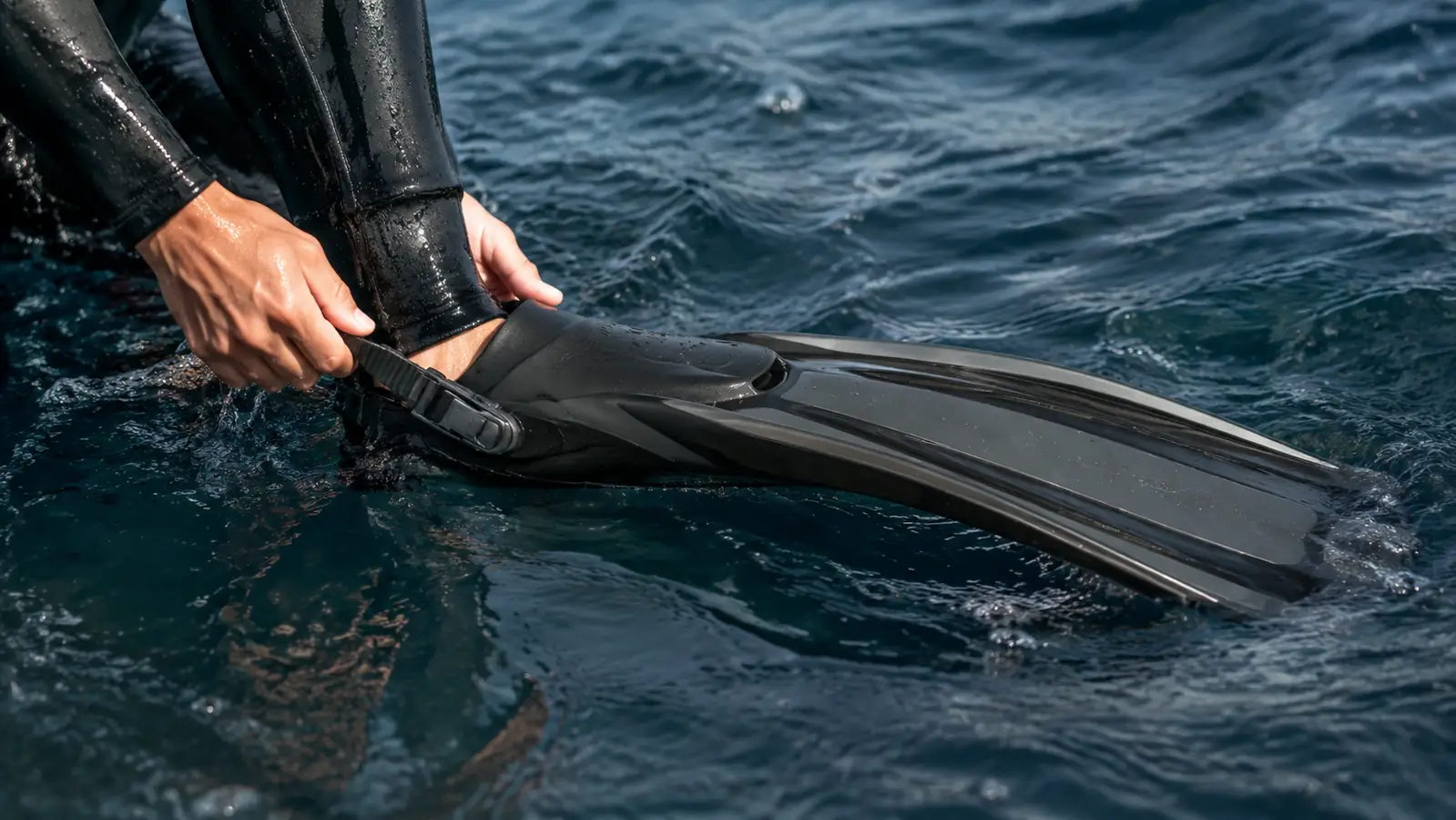
Every one of those dives was paired with 3mm booties, and that is the quiet genius of an open-heel fin. The bootie handles the chafing and the cold, the foot pocket cinches down around it, and the strap rides high enough across the ankle that my heel never slid free, even on shore entries through a surf that had me wading backwards just to keep my mask dry.
The kick matters too, so here is my honest setup. I dive with a slow, wide flutter from the hips, not a fast scissor. Half the cramping I blamed on my age was really a kicking style that burned my ankles on blades too stiff for the job. The Pro Light gives a little, stores the energy of the stroke, and hands some of it back at the end of each kick. The work lands in the big muscles where it belongs, and my calves stopped being the story of the dive.
Why Every Rental Rack Has a Set
There is a reason the Pro Light is the fin you see strapped to rental boots from the Caribbean to the local quarry: it survives being treated badly by strangers. Rental houses buy the equipment that takes abuse and keeps working, and this is the pair they keep buying. That is a stronger recommendation than any spec sheet, because a rental fin absorbs a hundred wet hours a week and every kind of careless handling.
When a piece of gear survives that, it tells you the materials were chosen right. The same blade that has stood up to strangers kicking over the gunnel and dropping it on concrete is the blade on your foot, and you are going to treat it better than they did. That is exactly the kind of thing I look for in all my gear, and Cressi has earned that reputation one rental rack at a time.
The Blade, the Part Every Fin Dies On
A fin dies three ways. The blade goes floppy and stops returning energy. The blade goes brittle and cracks where it meets the foot pocket. Or the strap and buckle rot in the sun. Cheap fins fail on all three at once. The Pro Light has been annoyingly good at avoiding every one of them.
The blade is a springy thermoplastic. You can bend the tip back with two fingers, and it snaps straight when you let go. That snap is the return energy the catalog copy talks about, and after years of assuming that was marketing fluff, I will tell you it is real. The fins I owned before this one did the same bend and slowly stayed halfway bent. The Pro Light blade has held its spring through six seasons.
And I will name the tradeoff plainly. A blade this forgiving is not going to out-muscle a stiff carbon fin in a ripping current. Cressi built it that way on purpose. You are trading top-end thrust for comfort and endurance. For a recreational diver that is the right trade, and it is a long-term trade that has worked out in my favor.
Six years in, the blade still springs back like it did on day one. I can count on one hand the pieces of dive gear I own that can say that.
Sizing: Match the Boot, Not the Shoe
Sizing this fin trips more people up than anything else, and it is simple once you think about it right. An open-heel fin sizes to your bootie, not your bare foot. I wear 3mm booties in a regular foot pocket, and I have a couple of fingers of room at the heel before the strap cinches down. That pocket plus a snug strap is what holds you through a kick.
One thing to respect: the Pro Light pocket runs snug across the top of the foot, which is how it keeps your foot locked in through the stroke. If you are between sizes, err up, because a fin half a size big just cinches tighter, while a fin half a size small becomes a cramped, tingly foot by dive two. I have owned both, and only one of those is fixable on the boat.
Where It Gets Scuffed, Because Everything Gets Scuffed
Nothing is bulletproof, and an honest long-term review has to tell you where the years show. Mine have been beat on. Gravel entries at the quarry put pale gouges along the outer edges of the blades, the kind of nicks you see on any tool that has actually been worked. The top coating wears at those edges first, and it has never once hurt the fin. It is cosmetic, and it is earned.
The strap and buckle have held up better than I expected. On most fins the ankle strap is the first part to die, rotted by sun and salt, and mine are still on the originals after six years. Even so, I keep a pair of generic fin buckles in my dry bag, because that is the one part every fin wears out eventually, and I would rather swap one on the boat than cancel a dive over a piece of hardware that costs a couple of dollars.
Maintenance is the same rinse-and-hang routine I use on everything that touches salt water. Fresh rinse after every dive day, dry in the shade, never direct sun, and that has been the whole program. Six years and no plasticizer sweat, no cracking, no strap that turned brittle.
The Suitcase Problem
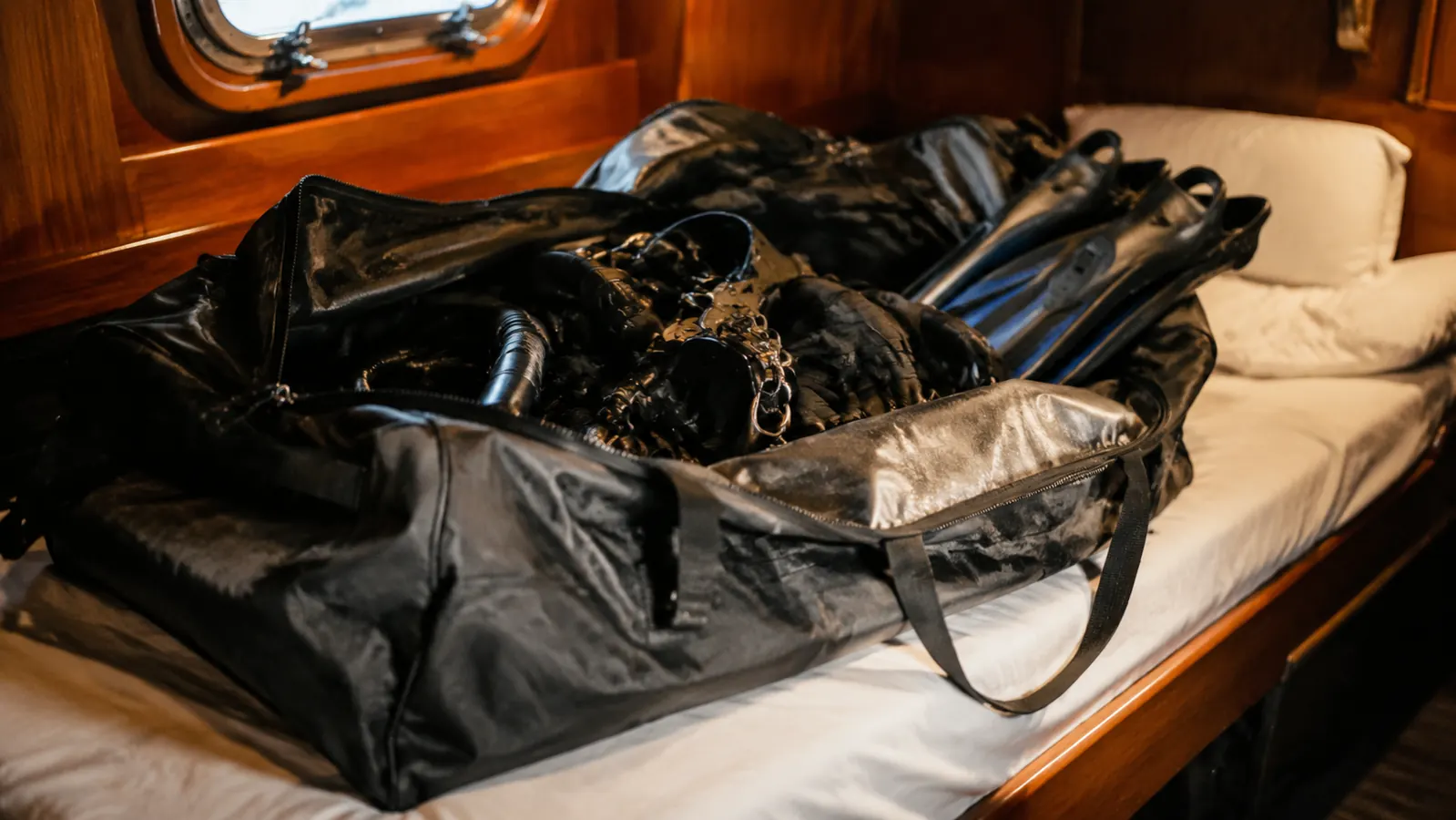
Travel is where the Pro Light earns its place in a different way. Hauling dive gear is a tax on every trip: the tender, the dock cart, the 8 a.m. walk from the cabin to the dive deck with everything on your shoulders. These are the lightest open-heel fins I have carried, and I have carried a lot. Every pound you shave off the bag is a pound you stop noticing twice a day on a liveaboard.
They also pack flat, which sounds unimportant until you try to fit full-foot fins into a duffel that also has to hold a 7mm suit, a BCD, a mask, gloves, and the rock collection you had no business shipping home. The Pro Light tucks along the side of the bag like it is barely there.
Honest Tradeoffs, Based on Real Kicking
Let me give you the three reasons somebody should look past the Pro Light, so you have a reason to trust me when I tell you it is great. First, current. If you regularly dive drifts or sites where you are finning hard against moving water for most of the dive, a stiffer blade gets you there with less effort. The Pro Light still gets you there, it just takes a few more strokes.
Second, weight on the ankle. Some divers want a heavier fin because on a back-inflation rig the mass can help settle a trim problem. The Pro Light is deliberately light, so if you are using fin weight to fix your posture in the water, you will be adding ankle weights instead. Third, the pocket runs snug across the top of the foot, and very wide or high-arched feet should fit them on before buying.
None of those are reasons for the average diver to skip them. They are the truths that a stack of online reviews does not always lead with, and they are the same truths I would tell you on the dock with a wetsuit unzipped halfway and a dive boat waiting.
What I'd Have Done Differently
If I could replay my own six years, I would have bought mine earlier. I spent two seasons on rentals and one on the wrong pair before I landed here, and all of that was tuition. Buy a decent open-heel fin early, learn to kick on it properly, and stop blaming your legs for what the equipment is doing to them.
The other piece is routine. Five minutes of fresh water after every dive day has kept the straps soft and the buckles moving. I treat these fins the way I treat my hand tools, and they have responded the same way. Nobody tells you that the gear that lasts longest is not the gear that is handled gently, it is the gear that is handled well.
What I Liked
- Open-heel design pairs with booties, so fit and warmth are dialed in instead of a bare-foot squeeze
- Light enough to travel with and comfortable on long surface swims
- Blade held its spring through six seasons and about 180 dives
- Simple strap and buckle hardware that is cheap and easy to replace when it eventually wears
- Forgiving kick that puts the work in your thighs instead of your ankles
Where It Falls Short
- Not a power fin. Divers fighting current or hauling heavy tech rigs will want a stiffer blade
- Deliberately light, so it will not help if you rely on fin weight for trim
- Foot pocket fits snug across the top; wide or high-arched feet should try the fit first
Who This Is For
The Pro Light is for the recreational diver who does normal dives the way I do. A couple of trips a month to the local quarry, a week or two a year on a boat somewhere warm, maybe a wreck trip that gets exciting when the tide turns. You want a fin that fits over boots, rides light in the bag, and asks nothing but a rinse and some shade when the day is done. That is this fin, and it will outlast the hobby's newest, most enthusiastic convert.
Who Should Skip It
Skip it if you are the diver who is genuinely out-thrusting it. Tech divers carrying doubles and a stage bottle, photographers holding a heavy rig against a reef current, people who want the top-end snap of a carbon or fiberglass blade, all of you should buy more fin than this. And if you have wide feet or sit between the sizes, find a shop that stocks the Pro Light and put one on before you order, because the foot pocket is honest about its fit.
Six years is a long enough test. The Pro Light passes.
If you are done renting fins that two hundred strangers beat on before you, and you want a pair that will outlast your dive log, this is the pair divers keep coming back to.
Amazon Check Today's Price on Amazon →