

Every dive shop has a line they hand you at the mask rack, and I heard it from three different shops across twenty years of diving. It goes something like: buy the cheap one and you'll end up owning the expensive one anyway, so skip ahead and save yourself the double dip. For most of my life underwater I nodded along and reached for whatever sat on the top shelf. Then I put the Cressi F1 in my gear bag beside the SCUBAPRO Spectra, dove both back to back through the whole 2024 fall season off the coast, and found out the clerks were only half right. The F1 is the mask with 4,600 reviews on Amazon for a reason, and it is not because people settled for it.
Here is the short answer in one sentence. Both of these are excellent frameless masks, and the F1, at a fraction of the Spectra's price, is the one I reach for on an ordinary boat day, while the Spectra is the one I would consider if the widest possible window on a reef mattered to me more than anything else on the shelf. That single line is the whole debate, and everything below is the evidence behind it. I am a carpenter by trade, a diver by stubborn habit, and a collector who does not buy baseball cards in plastic cases when the same card a shelf over plays the same way. I applied that same patience to masks.
The F1 Is the Mask Four Out of Five Divers Should Be Wearing
One mask that seals, packs flat, and does not force you to skip the rest of your kit. I have worn the Cressi F1 for two full seasons and it still seals like day one.
Amazon Check Today's Price on Amazon →How I Tested These Two Masks
I treated these two masks the way I treat a new chisel. I wanted to know how they feel on the fourth year, not the first afternoon, and I wanted the test done in the water where a seal actually has to hold. I started with the dry fit test at home, the one where you press the mask to your face, breathe in gently, and see if it sticks. Then I ran each mask through shore dives on the artificial reefs, a week of boat dives in cooler water where a leaking mask means sitting out a dive while the charter chews through the best sites without you, and enough surface swims to judge how the weight and drag settle on your neck after twenty minutes of kicking out from the beach. I kept a ledger of which mask I grabbed at each site, and by October it was embarrassingly one-sided.
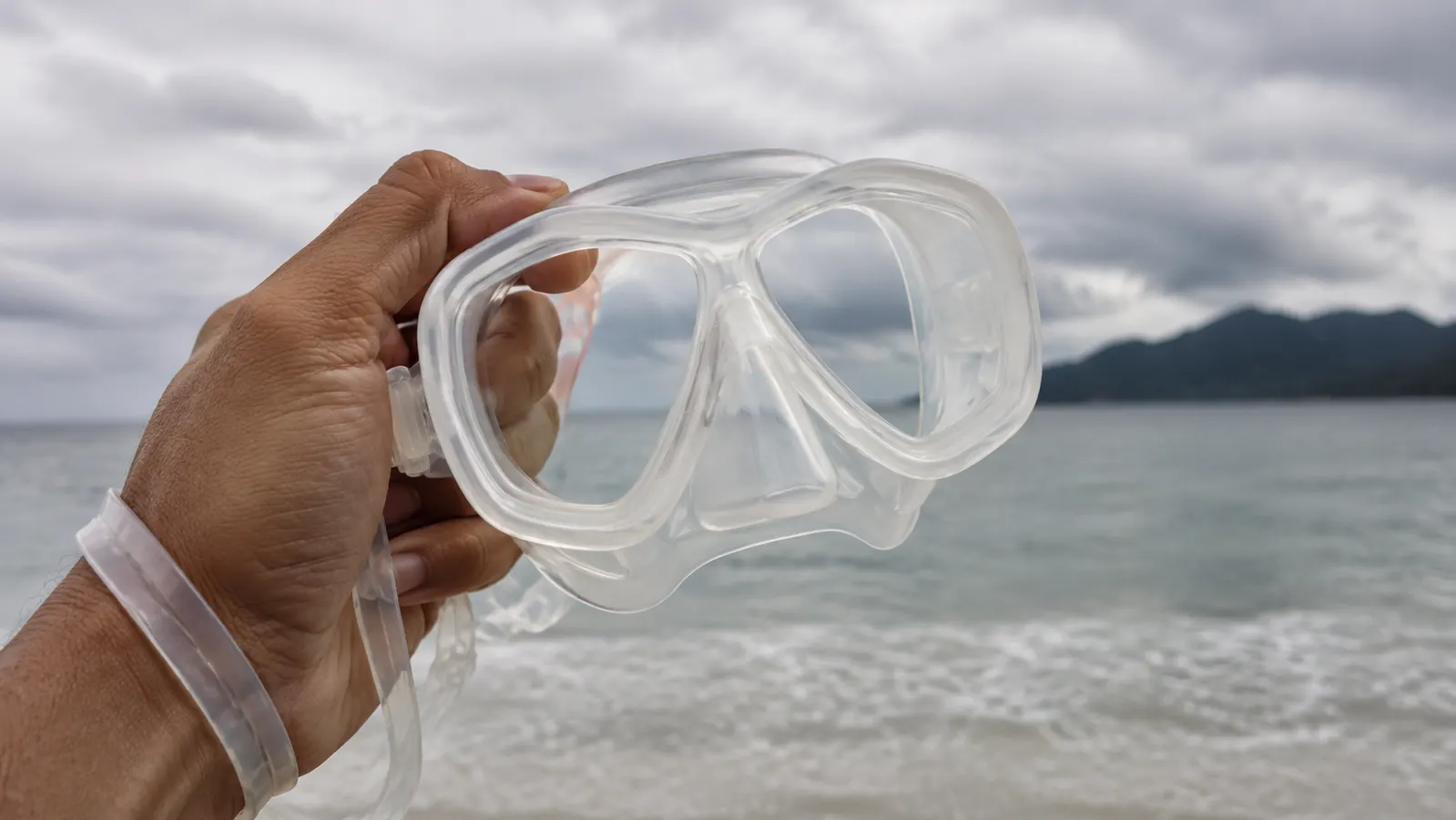
I should say up front that both of these masks are frameless, which already puts them ahead of the boxy framed masks I wore for my first twenty years of diving. A frameless mask flattens for travel, weighs less, and sits close enough to the face that equalizing takes one small pinch rather than a two-handed squeeze. The two also share the same service-life expectation: a silicone skirt that lasts years if you rinse it after salt water and keep it out of direct sun. Everything after this table is about the differences between two very good examples of the breed. The differences are real, but they are smaller than the marketing wants you to believe.
The Comparison in One Table
Here is where the two masks separate, row by row. I have the Cressi F1 on the left and the SCUBAPRO Spectra on the right, and I have let each row decide its own winner rather than hand the whole contest to the more expensive black box on the shelf. Read the two cells in each row first, then let them tell you which one wins that row.
| Cressi F1 | SCUBAPRO Spectra | |
|---|---|---|
| Price to your wallet | A fraction of the Spectra; you can own it and still have room for the rest of your kit | The premium ticket, two or three times the F1's price |
| Field of view | Good optics, but you notice the frame edge in a current | Wider lenses, noticeably better peripheral sight |
| Weight on your face | Featherlight and low profile; you forget it is there | Slightly heavier skirt; you feel it on long surface swims |
| Packing flat | Folds nearly flat and rides loose in a gear bag with no case | Frameless too, but the stiffer skirt wants its own pouch |
| Sealing across faces | Forgiving skirt that sealed on my head and on a dozen rental faces | Superb on slimmer faces, pickier on broad ones; test first |
| Silicone and lens finish | Good silicone and a solid lens; the price shows in the trim | Premium silicone and tempered lens; the most finished feel of the two |
| Strap adjustment | Simple split strap, cheap and easy to replace | One-hand ratchet strap, quick to adjust even with gloves on |
| Best for | Divers who want one honest mask and money left for the kit | Divers chasing the widest view and happy to pay for a premium name |
Where the Cressi F1 Wins
Start with the row that matters to every working diver: the F1 costs a fraction of the Spectra, and it gives up very little to do it. I check today's price on Amazon before I recommend it, because that number moves around with the season, but the honest math is the same every month. One F1 leaves you enough margin to buy a backup mask, a new fin strap, or half a season of tank fills, and the handful of things the Spectra does better are things most divers will trade away without missing them. My rule with gear is identical to my rule with collectibles: I do not pay a premium for a card in a plastic case when the same card a shelf over does exactly the same work.
The F1 also wins on the two things that decide whether a mask lives in your bag or gets left at home: weight and flat packing. It is the lightest mask I have owned in twenty years, and the low profile means less drag when I am kicking out from the beach on a shore dive. It folds flat enough to slide into a cargo pocket or the mesh sleeve of a gear bag with no case and no second thought, which matters on a fly-in trip where every cubic inch of carry-on argues with you. After a full season in it I have replaced nothing. The split strap is still tight, the skirt still seals, and the one spare I ordered just to keep on hand cost next to nothing. Cressi builds simple things that last, and the F1 is that philosophy in a mask.
Where the SCUBAPRO Spectra Wins
Now the honest part, because this table is not rigged and neither should your decision be. The Spectra has the wider field of view of the two, and on a reef or a wreck that is not a small thing. I noticed it on the first dive: less time moving my head to track my buddy, a smaller blind spot when a big grouper decided to hang a few feet above and behind my shoulder, and less neck strain from the swiveling that a narrower mask forces on you. For divers who spend their bottom time hunting macro life or keeping one eye on the dive guide in a current, that peripheral window is worth real money, and it is the strongest argument the Spectra has.
The Spectra also feels more finished in the hand, and after a season I will not pretend otherwise. The silicone is softer against the skin, the lens feels like it came from a camera department rather than a sporting goods rack, and the ratchet strap is the one-hand adjustment I appreciate when the water is 60 degrees and my fingers are stiff inside gloves. If the premium price is not a stretch for you, you are not wasting it the way I once assumed you would be. The Spectra is the nicer object of the two. It is just not a better purchase for most people, and that is the difference between admiring a tool and buying the one that does the job.
The Spectra is the nicer object of the two. It is just not a better purchase for most people, and that is the difference between admiring a tool and buying the one that does the job.
What the 4,600 Reviews Actually Tell You
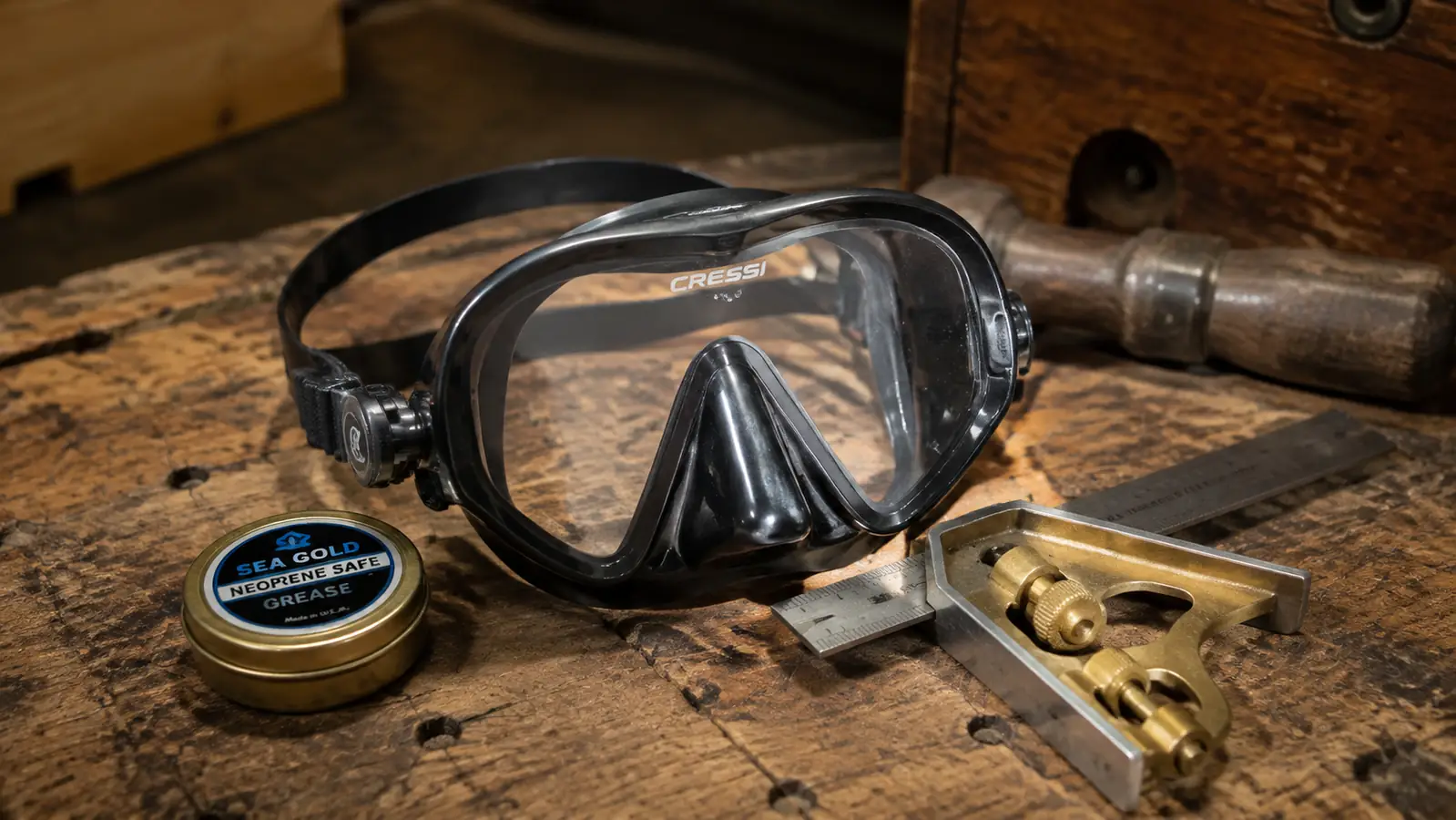
Before I did this test, I read a slice of the F1's reviews the way I read the back of a card before I add it to the box. What 4,600 reviewers agree on is a mask that seals for a wide range of faces, survives years of off-and-on diving, and never made anyone feel cheated. What the reviews cannot tell you, because they are written by strangers on different faces, is whether it will seal on your face. A mask is the one piece of diving gear that comes down to the shape of your head. The most-reviewed mask in the world is wrong for somebody, and that somebody is not wrong; they just skipped the fit test. Buy the reviews for confidence, but treat the fit test as the actual purchase decision.
One caveat the reviews quietly support: the F1 is not the mask for you if you want the absolute widest field of view on the market. The Spectra beats it there, and so do a handful of twin-lens masks that cost more than either of these. What you do not get from 4,600 reviews is a sense of proportion. The people who love the F1 love it because it does 95 percent of what a premium mask does, for a fraction of the money, without ever being the thing that ruins a dive. That proportion is the reason it keeps selling, and it is the same reason I keep recommending it. No count of happy buyers is a seal test for your face.
Fit Is the Chapter No One Writes About
Every mask review on the internet, including this one, eventually has to admit the thing that makes a mask perfect for one diver and wrong for their buddy: the human face. The F1 has a forgiving skirt that conformed to my broad carpenter's face and to the dozen rental faces I have seen it on over two seasons. The Spectra seals beautifully on slimmer faces and is pickier on wide ones. If you are ordering either one blind, do the ten-minute fit test before you cut the tags. Press the mask to your face without the strap, breathe in gently, and see whether it holds. I spelled out the full routine in my piece on fitting a dive mask so it never leaks, and it is worth the ten minutes whether you end up with the F1, the Spectra, or a third mask entirely.
The other thing no spec sheet will tell you is fog. Both of these masks need a solid defog routine in cool water, and anyone who tells you otherwise is selling you something. I wipe the lens with baby shampoo before every dive, the same trick I have used for twenty years, and I have not had a fog problem worth complaining about in either mask. Do not buy a mask expecting it to fix fog, because no mask does. Buy one that seals well, defog it like a professional, and the mask stops being the thing you think about underwater, which is the whole job of a mask.
Who Should Buy Which
Buy the Cressi F1 if you want one dependable mask that does not lighten your wallet, packs flat for the trip you have already paid for, and will not make you wince when it bumps against a boat seat. That describes most divers, and it describes every diver who is still building out the rest of their kit. It has been the most-reviewed mask on Amazon for years because it is the honest answer for the person who just wants a seal that works, dive after dive, without being the most interesting thing about the dive.
Buy the SCUBAPRO Spectra if the widest possible window is your top priority, if a softer and more finished mask is worth a premium to you, and if the price difference is an easy yes rather than a budget compromise. Neither choice is wrong, and I have said so in the table where the Spectra genuinely wins its rows. What is wrong is paying for the premium mask and then discovering the fit does not work on your face. Do the ten-minute test before you spend, whichever one you walk out with, and you will not be the guy standing on the dock holding a mask that leaks.
The F1 Was the Mask on My Face All Season
Two seasons and 40-plus dives, nothing replaced and nothing that needed replacing. Check today's price on Amazon.
Amazon Check Today's Price on Amazon →